ADVERTISEMENT
ADVERTISEMENT

 (No Ratings Yet)
 Loading...
Fullscreen
ADVERTISEMENT





 (No Ratings Yet)Loading...
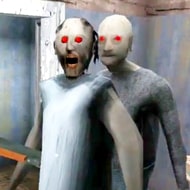
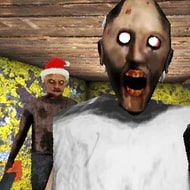
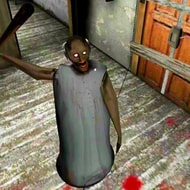
Unlikely is a short-form horror experience built around uncertainty, isolation, and the feeling that events are unfolding just out of sight. The player moves through unfamiliar spaces where logic feels slightly distorted, and progress depends on interpreting subtle cues rather than following clear instructions. Unlikely focuses on atmosphere and psychological pressure, encouraging slow exploration and careful attention to detail. The experience creates tension by making the player question what is safe, what is real, and what might suddenly change.
In Unlikely, the environment acts as the primary storytelling tool. Rooms, corridors, and objects provide fragmented hints that guide the player forward without direct explanations. Visual inconsistencies, repeated spaces, and unexpected changes suggest that the environment itself may be unreliable. Players must observe carefully, as progression often depends on noticing what feels wrong rather than what stands out clearly.
Unlikely builds fear primarily through sound and silence. Ambient noise, distant echoes, and sudden quiet moments create unease and signal potential danger or progression. Audio cues rarely explain themselves directly, requiring players to infer meaning through repetition and context. Remaining alert without becoming reactive is essential, as impulsive movement often leads to disorientation.
Progress in Unlikely is often tied to player behavior rather than obvious objectives. Certain actions may trigger events even if they appear insignificant. Standing still, revisiting spaces, or interacting with objects multiple times can influence outcomes. Understanding this logic helps reduce confusion and prevents unnecessary repetition.
Players often ask whether Unlikely has specific rules for success. The most reliable approach is patience and observation. A common mistake is assuming that faster movement leads to progress. In reality, slowing down allows patterns to emerge. Accepting uncertainty instead of fighting it leads to a smoother experience.
Unlikely offers a tense psychological experience driven by subtle changes and atmospheric pressure rather than direct threats. Players who move carefully, listen closely, and remain open to unconventional progression paths can navigate its unsettling world while uncovering meaning hidden beneath uncertainty.
There are no reviews yet. Be the first one to write one.