ADVERTISEMENT
ADVERTISEMENT
 (No Ratings Yet)
 Loading...
Fullscreen
ADVERTISEMENT







 (No Ratings Yet)Loading...
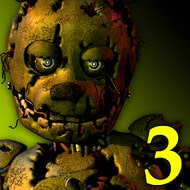
Five Nights At Freddys 3 places the player inside a dark attraction where survival depends on awareness, timing, and psychological control rather than physical defense. The setting feels confined and unstable, with flickering systems and constant audio interference increasing pressure. Five Nights At Freddys 3 shifts focus toward managing fear and confusion, forcing the player to balance monitoring tasks while anticipating the unpredictable movement of a single, persistent threat.
In Five Nights At Freddys 3, the primary danger comes from tracking and containing a hostile presence using indirect tools. The player must observe camera feeds, seal vents, and manipulate audio cues to guide the threat away from critical areas. Unlike earlier entries, survival relies less on reaction speed and more on planning ahead. Losing track of the threat for even a short time can quickly escalate into failure.
Five Nights At Freddys 3 introduces frequent system errors that interrupt surveillance and control. Cameras, audio, and ventilation can all fail, forcing the player to reboot systems while remaining vulnerable. This creates constant mental pressure, as focusing on one problem may allow another to worsen. Effective multitasking becomes essential, and prioritizing which system to restore first can determine survival.
Hallucinations play a major role in Five Nights At Freddys 3, appearing as false threats, audio distractions, or sudden visual interruptions. These elements are designed to break concentration and induce panic. Learning to identify hallucinations versus real danger helps players avoid unnecessary actions that waste time or trigger system failures.
Players often ask how to prevent sudden losses late into a night. The most effective strategy is maintaining a consistent routine and never allowing the threat to move unchecked for long. A common mistake is overusing audio cues, which can fail or mislead when relied on too heavily. Balanced system use and constant tracking reduce unpredictable outcomes.
Five Nights At Freddys 3 delivers a tense survival experience built on psychological pressure, system management, and sustained focus. Players who remain calm, track threats carefully, and manage failures efficiently can endure each night while maintaining control in an environment designed to test patience and composure.
There are no reviews yet. Be the first one to write one.