ADVERTISEMENT
ADVERTISEMENT
 (1 votes, average: 5.00 out of 5)
 Loading...
Fullscreen
ADVERTISEMENT








 (1 votes, average: 5.00 out of 5)Loading...
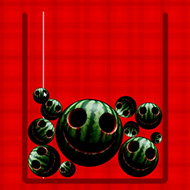
Do Not Grow This Watermelon is more than just a casual stacking challenge. It offers a test of precision and foresight as players balance the urge to create bigger fruits with the need to keep the board manageable. The goal is to build up to the ultimate watermelon, but the journey there requires careful planning, as one misplaced fruit can end an otherwise perfect round. Each session offers a different sequence, which means no two experiences are exactly the same.
At the heart of Do Not Grow This Watermelon lies its unique merge chain. Understanding how fruits evolve helps players predict outcomes and set up successful runs. The order generally follows this progression:
Knowing this order allows players to “stage” their moves, keeping smaller fruits grouped together while leaving room for the larger ones. Anticipating future merges often makes the difference between a long run and a quick loss.
Many players look for ways to push their limits and achieve higher scores. The following approaches can make a significant difference:
Do Not Grow This Watermelon thrives on unpredictability. Sometimes the sequence of drops flows perfectly, enabling long chains of merges. At other times, awkward placements force improvisation. This balance between planning and reacting is what keeps players engaged. No matter how skilled someone becomes, there is always room for improvement.
The game rewards adaptability as much as raw skill. Players who learn to adjust their strategies on the fly often outlast those who rigidly follow one approach. With every round offering a different challenge, Do Not Grow This Watermelon becomes a constant test of focus, memory, and decision-making.
As players refine their approach, they discover new ways to extend the game, set higher scores, and unlock the satisfaction of mastering the stacking challenge. The road to consistently creating the watermelon is long, but it is also what makes this puzzle endlessly engaging.
There are no reviews yet. Be the first one to write one.